
What to Expect When Working With a Brand Identity Designer
A step-by-step look at the process — from first conversation to final files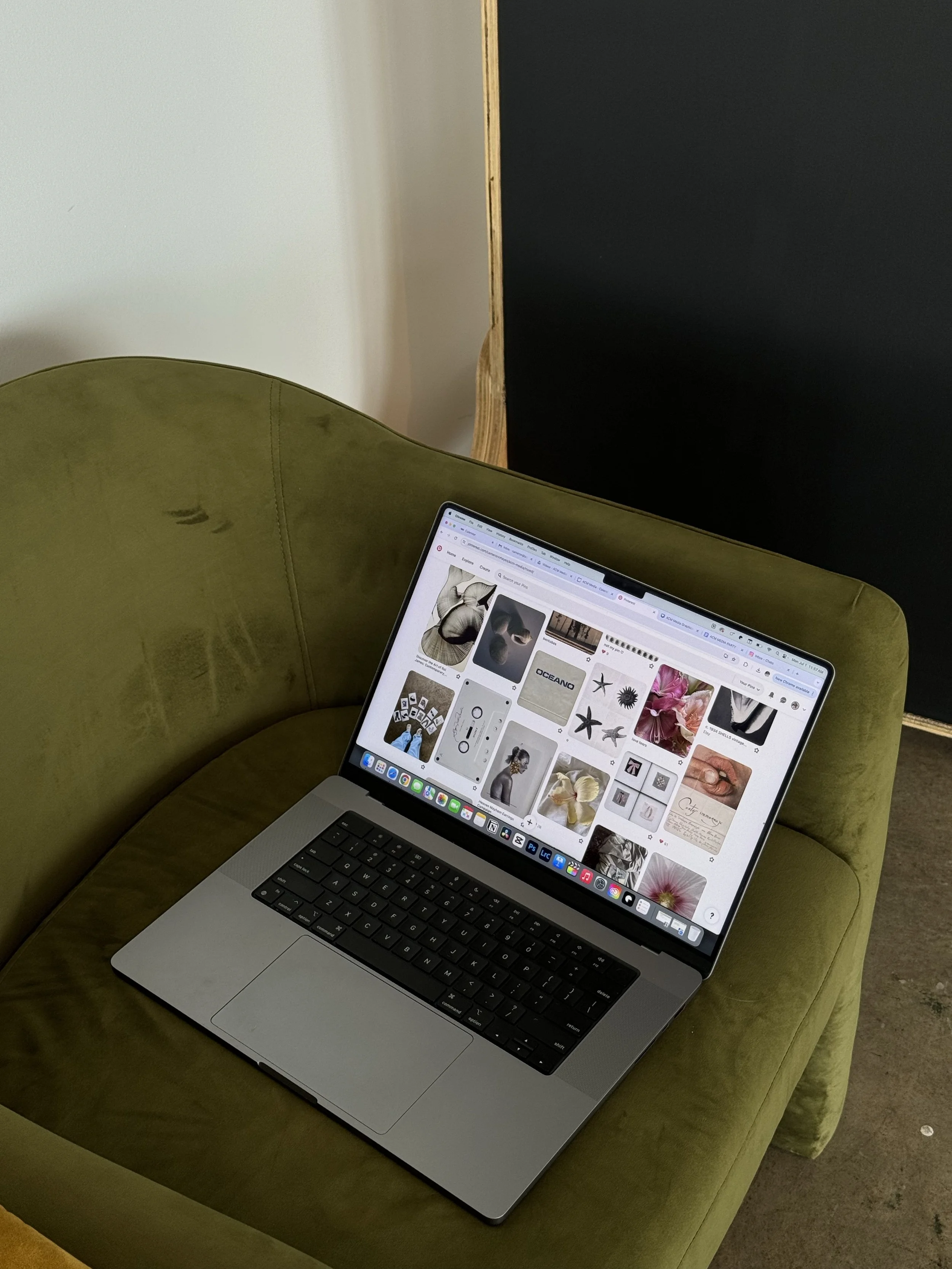
If you've never worked with a brand identity designer before, the process can feel a little mysterious from the outside. What actually happens between "I need a brand" and receiving a logo? How much input will you have? How long does it take? What do you walk away with at the end?
These are questions I hear often, so I wrote this post to provide clarity for those considering a future branding project — because the more a client understands the process going in, the better the work that comes out of it.
Here's how a brand identity project works in my studio, from first contact to final delivery.
Step 1: Discovery
Every project starts with a conversation. Usually that's an intro call where we talk about your business, what you're building, what you need from your brand, and what's brought you to this point. It's also where we figure out which package makes the most sense for your needs — and if something custom is the right fit, this is where I gather the information needed to put together a tailored quote.
From there, I send a detailed proposal outlining your options: what's included, what the process looks like, how long it will take, and what it will cost.
Once you've decided to move forward, three things need to happen before the project officially begins: the contract is signed, the deposit is paid, and the discovery questionnaire is completed in full.
The questionnaire isn’t just another item on the checklist — it’s actually one of the most important parts of the entire process. It asks in-depth questions about your business, your story, your audience, and your goals — and it's designed to uncover things that don't always come up in a conversation. The best insights I get from clients usually come from this resource. It tells me what the brand needs to do below the surface: how it needs to function, what story it should tell, who it needs to speak to, and what it needs to communicate before a potential customer reads a single word.
The answers within the questionnaire function like a compass; I refer back to it throughout the entire design process, and it becomes the shared reference point when we're refining a direction later on — which means we're always making decisions against a solid foundation of agreed-upon goals, not just personal preference.
I don't begin designing until the questionnaire is complete, because thoughtful answers lead to better design decisions.
Step 2: Concepting
Once I have the background I need, I begin an exploratory design phase — and this part begins entirely behind the scenes.
I research your industry. I look at competitor branding. I look at aspirational references to see what kind of things are possible. I scroll through visual examples to understand the landscape and carve out an original path through the trends, one that's specific to your business. The goal isn't to find what's popular — it's to find what's true to you and distinctive in your space.
From that research, I usually define two creative directions, introduced as a moodboard of gathered imagery. I’ll present to you a draft version of logos, colors, and typography for each branding option.
The concept phase presents a brand identity distilled to its most essential visual elements — enough to give you a clear sense of where each direction is headed, without overwhelming you with too many details that require feedback all at once. Two directions also gives you something to react to; most clients find it much easier to articulate what they want once they see what they don't want.
Step 3: Refinement
After the initial concept presentation, we choose one direction to develop further. This is where your feedback becomes the most valuable input in the process.
Typically we go through a couple of rounds of refinements — tweaking logos, exploring different color palettes, comparing fonts, sometimes mixing and matching elements from both directions to find the nuanced combination that feels right.
What I want clients to understand about this phase is that my role isn't just to execute — it's to collaborate. I take your feedback seriously and almost always find a way to incorporate it, but I'm also here to bring my expertise to the process, not just my software skills. That means I'm weighing your preferences alongside the goals we set together at the start, the principles of good design, and what will resonate with the audience you're trying to reach.
If I have a reason to push back on a direction, I'll share it — always in terms of the brief, not just personal taste. Because at the end of the day, a great brand isn't designed to please everyone in the room…it's designed to resonate with the specific people your business exists to serve.
Step 4: Brand Guide and Final Delivery
Once the brand elements are approved, the technical documentation begins.
I create a detailed brand guide: a comprehensive document that records everything that makes up your visual identity and how to use it. Font hierarchy, color pairings and harmony, logo variations and usage guidelines, supporting elements — all of it is laid out clearly so you understand what you have, how it works, and how to keep it consistent as your business grows.
The brand guide isn't just for you. It becomes the tool you hand to future creative partners — a web designer, a photographer, a printer, a social media manager — so they can work within your visual system without starting from scratch or making it up as they go.
The brand guide also includes a set of application mockups: real-world representations of your brand on things like signage, merchandise, printed materials, and packaging. This gives you a reference point for how your brand translates beyond a screen, and it's usually where the brand comes to life in a way that feels tangible for the first time.
Finally, I export all your logo files and brand elements into a full package of file formats, organized and ready to use. Whether you're updating your social media profile, sending files to a printer, or building your website, you'll have exactly what you need in the right format.
At the completion of this stage, the remaining balance is paid and your final files are delivered.
Step 5: Further Support
For some clients, the brand identity is just the beginning. Depending on your package or what you choose to add on, I can continue working with you to design the touchpoints that matter most to your business — menus, marketing materials, packaging, signage, and other brand-aligned assets that need a designer's skill to look and feel like they belong to the same world as your identity.
This optional phase is about bringing the brand into the real environments your guests, customers, and community actually encounter — and making sure every touchpoint is as considered as the identity itself.
“How long does the process take?”
Timeline varies depending on the scope of your project and the pace of feedback, but here's a general range:
Essential Logo Suite: approximately 4-5 weeks
Core Visual Identity: approximately 5-6 weeks
Signature Brand Experience: approximately 6–8 weeks
The most common cause of delays is feedback that takes longer than expected to come back, or a questionnaire that lacks the depth needed to successfully inform the design process. The more thought you put into preparation, the smoother everything that follows tends to be, so it’s important to consider the availability you have to collaborate.
“What do I actually get at the end?”
At the conclusion of a brand identity project with my studio, you'll receive:
A logo suite including a primary logo and supporting variations
A curated, functional color palette
A typography system
Application mockups showing your brand in the real world
A comprehensive brand guidelines document
A complete package of final files exported in multiple formats
Depending on your package, you may receive additional deliverables, such as a custom illustration or additional branded assets. This specific scope is always defined in the beginning through the proposal document.
Closing Thoughts
The best branding projects I've worked on have one thing in common: a client who engages fully at the discovery stage and trusts the process from there.
You don't need to know anything about design to be a great client. You just need to know your business, be honest about your vision, and be willing to let someone with experience help you translate it into something that resonates.
If you're ready to start that conversation, I'd love to hear about your project. And if you're still figuring out which package is the right fit, my services page has the full breakdown.
-Anna
